I help teams make sense of complex problems and build products users trust.

Eight years leading research at Google and DoorDash. I can jump into a messy, technical space and have valuable insights within a week.

Get in touch
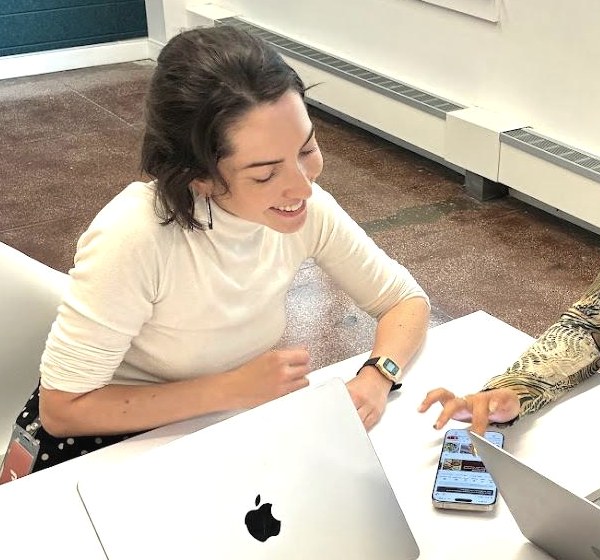
Juliette leading a research session, reviewing an app on a phone with a participant

Services

Make sense of a complex space

Foundational research that turns a technical, unclear problem into what to build next.

  • Interviews
  • Diary studies
  • Field research

Navigate high-stakes trade-offs

Research for decisions where safety, privacy, policy or legal needs pull against the user experience.

  • Surveys
  • Logs analysis
  • Usability testing

Build research from the ground up

A research roadmap, testing rhythm and AI-assisted workflows for teams without a researcher.

  • Rapid testing
  • Research panels
  • AI-assisted analysis

Selected work

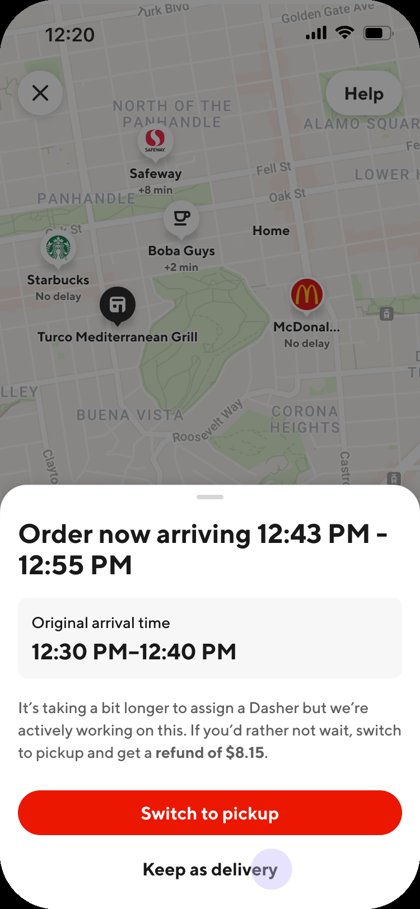
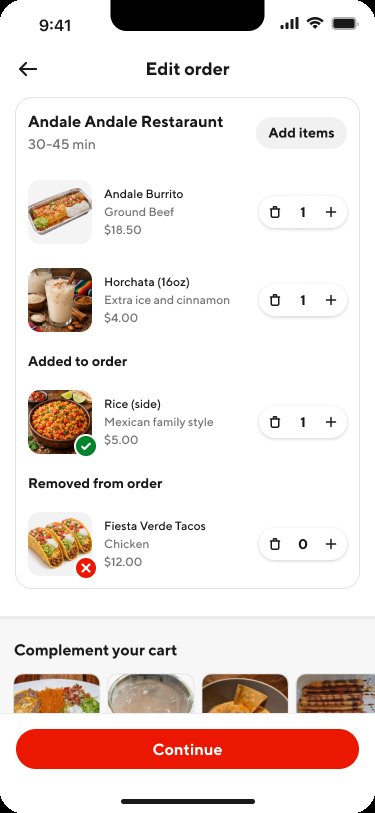
Delay message explaining a later arrival time, with an option to switch to pickup Editing an order after checkout

Post-checkout experience

Shipped clearer delay messages, order editing and switch-to-pickup. Significantly fewer cancellations and support contacts.

Read more
The problem
Customers were anxious, cancelling and contacting support after ordering, even when deliveries were on track.
What I did
A week-long diary study following real orders, plus quick surveys on why people cancel or switch to pickup.
What I found
A framework of four anxiety moments: unexplained delivery-time jumps, silence between stages, worries about order quality, and tension at handoff. Cancellations came from not being able to fix a mistake.
What changed
Shipped clearer delay messages, order editing after checkout, and an easy switch to pickup, significantly reducing cancellations and support contacts.

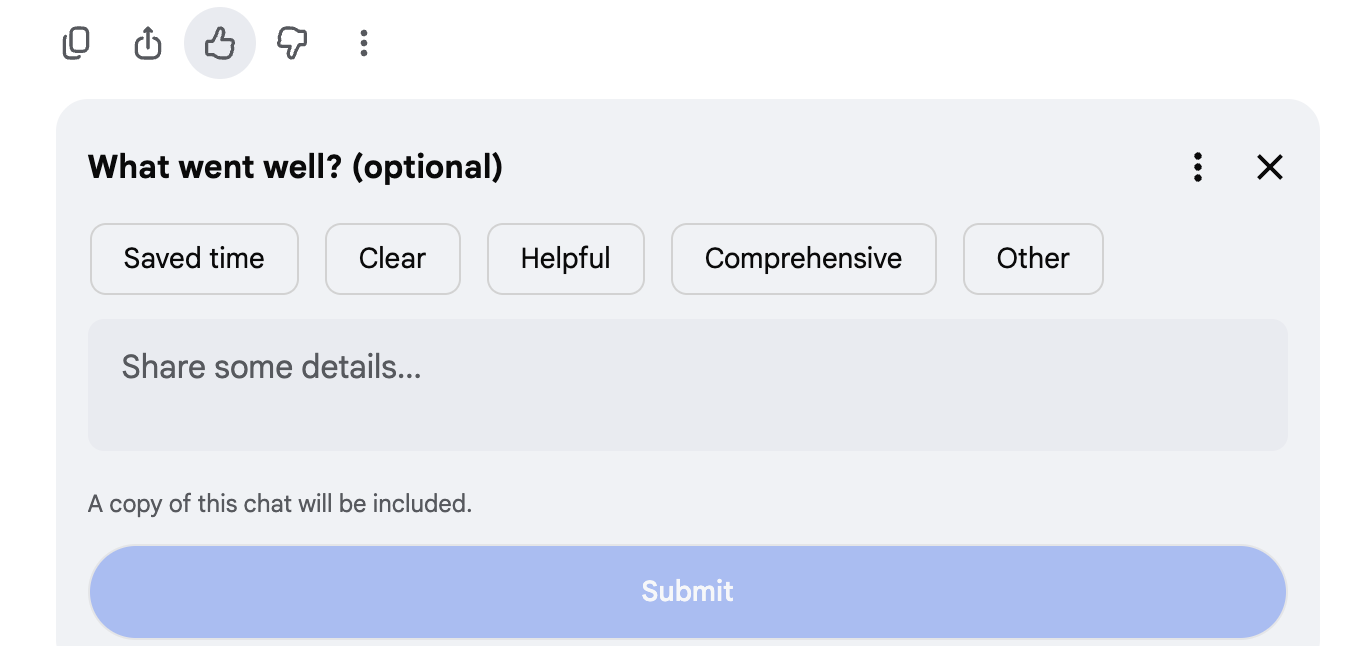
Thumbs up and thumbs down buttons under an AI answer Feedback panel asking what went well, with quick options

Feedback on AI answers

Shortened the feedback survey. Feedback rate up 30%, volume up 21x.

Read more
The problem
Google wasn’t getting useful feedback on AI-generated answers, and senior leaders couldn’t work out why.
What I did
Competitive analysis, interviews and surveys, tied to behavioral data.
What I found
People didn’t know what thumbs up or down meant on Search, and the follow-up survey asked too much of them.
What changed
The feedback survey was significantly shortened, so giving feedback became quick and easy. Feedback rate rose 30% and volume grew 21x.
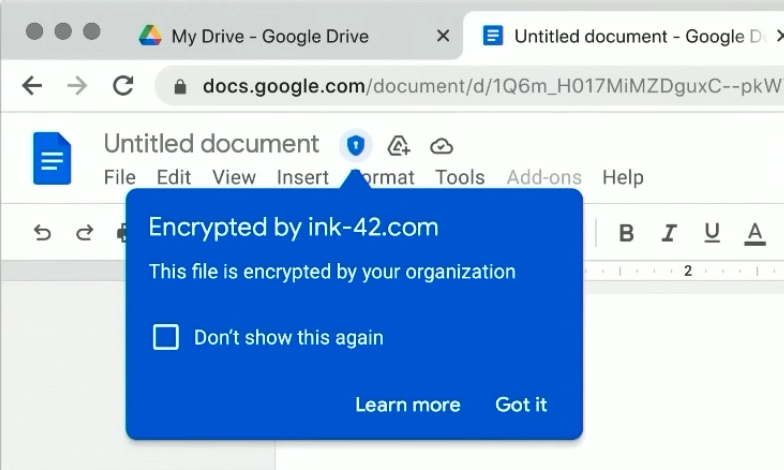
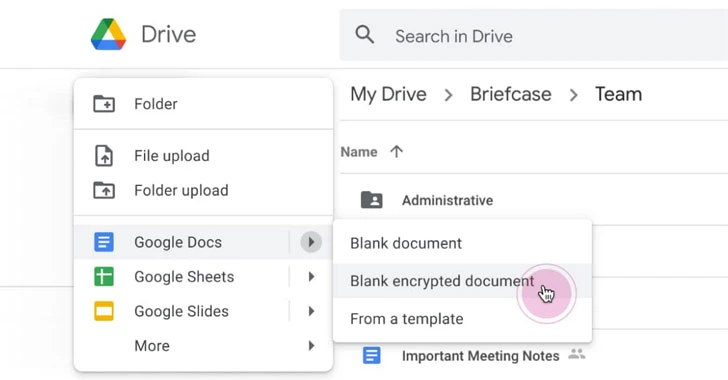
Google Doc showing a notice that the file is encrypted by the organization Google Drive menu with the option to create a blank encrypted document Images: Google Workspace

Client-side encryption

Found which collaboration features mattered most. Shaped the launch and its expansion to Gmail, Calendar and Meet.

Read more
The problem
Regulated organizations needed encryption so strong that even Google can’t read their files. But Docs features like real-time editing, comments and sharing depend on Google reading the file. This was a technically complex, high-stakes problem across 60+ engineers and multiple Workspace apps.
What I did
Two years of research with a small, hard-to-reach group of security admins and users: a dedicated research panel I built, interviews, and trade-off surveys to weigh which features mattered most.
What I found
Customers didn’t need every Docs feature. They needed commenting and sharing to work on sensitive files.
What changed
Shaped the launch, extended encryption to Gmail, Calendar and Meet, and became the cornerstone of Workspace’s three-year security strategy.

Other selected projects

  • EU Digital Markets ActLed Search’s qualitative research strategy for the EU Digital Markets Act: 16+ studies in 6 months, with recommendations presented to VPs and built into product and regulatory strategy.
  • Harmful imagesCombined a large-scale survey, interviews with outside experts and usability testing to decide when and how Search warns people about harmful images. Findings shaped Google’s policy categories.
  • Spam folderFoundational interviews and Drive’s first in-product survey on unwanted content, leading to the spam folder launch with CSAT above 70%.
  • Support research programBuilt a weekly testing program with support agents across DoorDash and Wolt: 10 studies in 3 months, informing a support hub and an internal tool for 50k+ employees.

About

UX researcher in New York with eight years leading research at Google and DoorDash. My work spans trust and safety, AI products and enterprise security, for both consumer and enterprise users. I have a computer science degree from the University of Chicago.

I also write songs and dance salsa, and both are mostly about listening closely.

View resume (PDF) →

Contact

juliette.hainline@gmail.com